Awakening Ecological Intimacy along the Trail
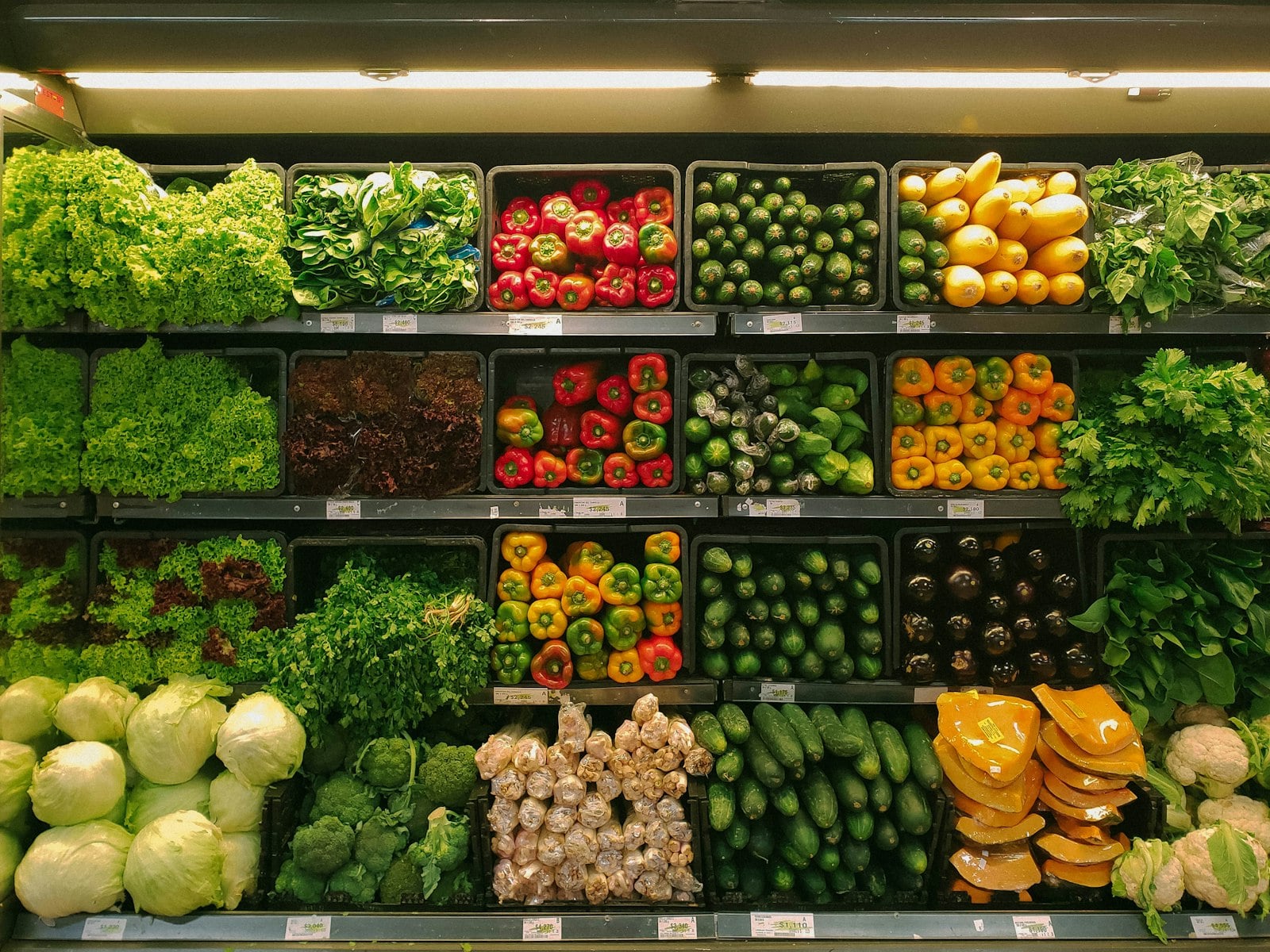
Modern supermarket food systems have severed our primal connection with the living landscapes that sustain us. Wrapped in cling film and shipped thousands of miles across oceans in climate-controlled cargo planes, grocery produce arrives divorced from the weather, soil, and seasonal cycles of our local environments. We know the price of ingredients, but we have lost the names of the wild plants thriving in our own neighborhood parks.
Foraging is the antidote to this ecological amnesia. When you step onto a forest trail or damp riverbank with a simple woven wicker basket and a sharp pocket knife, the world shifts from a passive decorative backdrop into an edible, vibrant library of botanical life. Your vision sharpens, learning to identify the serrated leaf margin of stinging nettles, the pungent garlic aroma of wild ramsons, and the delicate white umbrellas of elderflower blossoms.
This intentional awareness transforms a routine afternoon stroll into an act of deep ecological intimacy. You begin to notice micro-climates along shaded mossy slopes and sunny woodland clearings, realigning your internal rhythms with the subtle transitions of the earth’s seasons.
Connecting with wild edible flora restores ancestral knowledge of local ecosystems and seasonal biodiversity. Learning to distinguish wild garlic from poisonous lily-of-the-valley or identifying nutrient-dense sea buckthorn berries along coastal bluffs transforms a simple nature walk into an educational exploration of natural abundance.
Cooking with foraged ingredients bridges the gap between wild nature and the domestic kitchen. Preparing warm sourdough bread infused with wild rosemary or brewing tea from freshly gathered pine needles infuses everyday meals with the vibrant, untamed vitality of the surrounding living landscape.
“When you harvest wild herbs with your own hands, you do not just cook dinner; you taste the exact sunlight and soil of the afternoon.”
— Amelia Brooks, The Forager’s Table
Honoring the Ethical Forager’s Code
True foraging is never an extractive or predatory endeavor; it is a reciprocal dialogue rooted in reverence, gratitude, and conservation. The master principle of ethical foraging is gentle restraint: never harvest more than one-third of any healthy plant colony, leaving ample flowers, seeds, and root structures for wildlife pollinators and future seasonal regeneration.
Absolute botanical certainty is non-negotiable. Many wild edibles have toxic lookalikes, making patient identification through trusted regional field guides and experienced botanical mentors essential. If a specimen leaves even a shred of doubt in your mind, admire it with your camera and leave it undisturbed in the soil.
Harvesting with clean, gentle tools—snipping tender top leaves with sharp shears rather than uprooting whole plants—ensures the perennial root networks continue thriving for decades. By treading lightly along hedgerows and cleaning gathered herbs on-site to return soil and insects to their habitats, you become an active guardian of regional biodiversity.
From Woodland Canopy to the Evening Table
The culinary rewards of foraged wild plants far exceed the bland uniformity of cultivated store-bought greens. Wild herbs develop rich profiles of protective polyphenols and aromatic volatile oils to survive challenging weather, imparting complex, unforgettable flavors to simple homemade meals.
Tender young spring nettles, blanched for thirty seconds to neutralize their defensive sting, transform into emerald-hued broths and vibrant homemade pastas reminiscent of wild spinach with an earthy sweetness. Freshly plucked ramsons mashed with coarse sea salt, toasted pine nuts, and rich virgin olive oil produce an intensely fragrant pesto that elevates crusty sourdough bread into an artisanal feast.
Gathering wild harvests links our modern kitchens to ancestral domestic rituals. Sitting down to a dinner prepared with ingredients you identified, snipped, and carried home through woodland paths nourishes not only the body, but the soul—a quiet reminder that the most exquisite luxuries in life are wild, free, and waiting right outside our door.
Foraging wild herbs connects our modern domestic lives to the ancient rhythms of the earth. Gathering fresh botanical treasures with reverence and culinary intention reminds us that profound joy is often found in the quietest, simplest encounters with the natural world right outside our doorsteps.