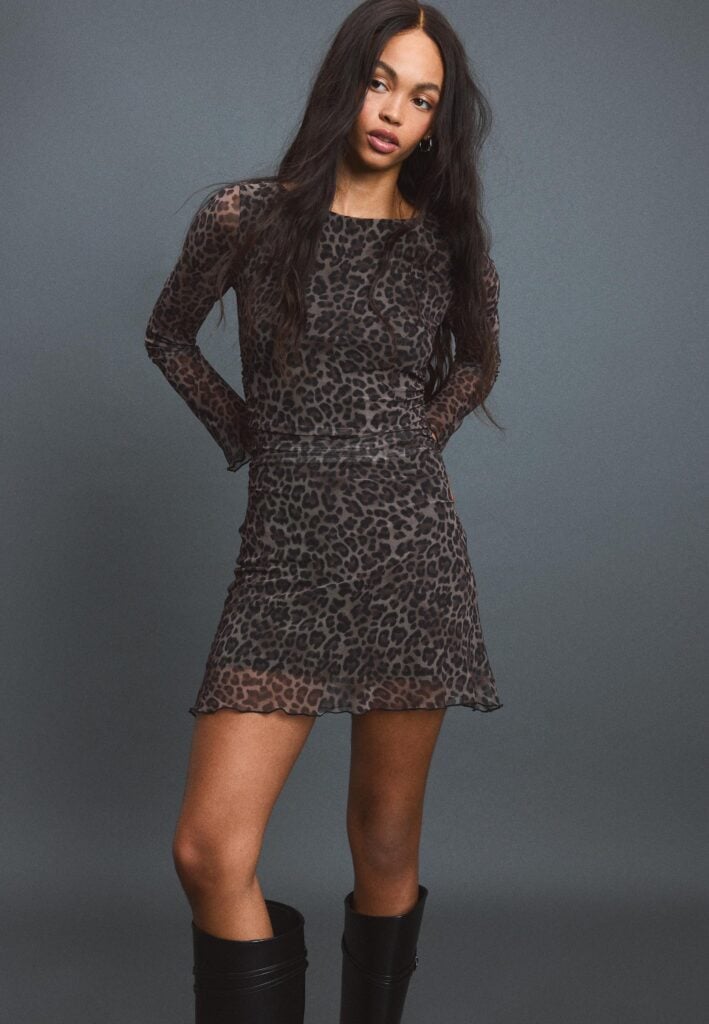
A versatile wardrobe is not necessarily a small wardrobe, but most of its pieces should have more than one realistic use. Clothes that can move between work, weekends and casual social plans make getting dressed easier because fewer items depend on one exact occasion. NewLook carries a broad high-street fashion range, which makes it possible to think in outfit groups rather than isolated purchases. The most useful starting point is the week as it is actually lived. A wardrobe for regular office days needs a different balance from one built around remote work, travel or an active social calendar.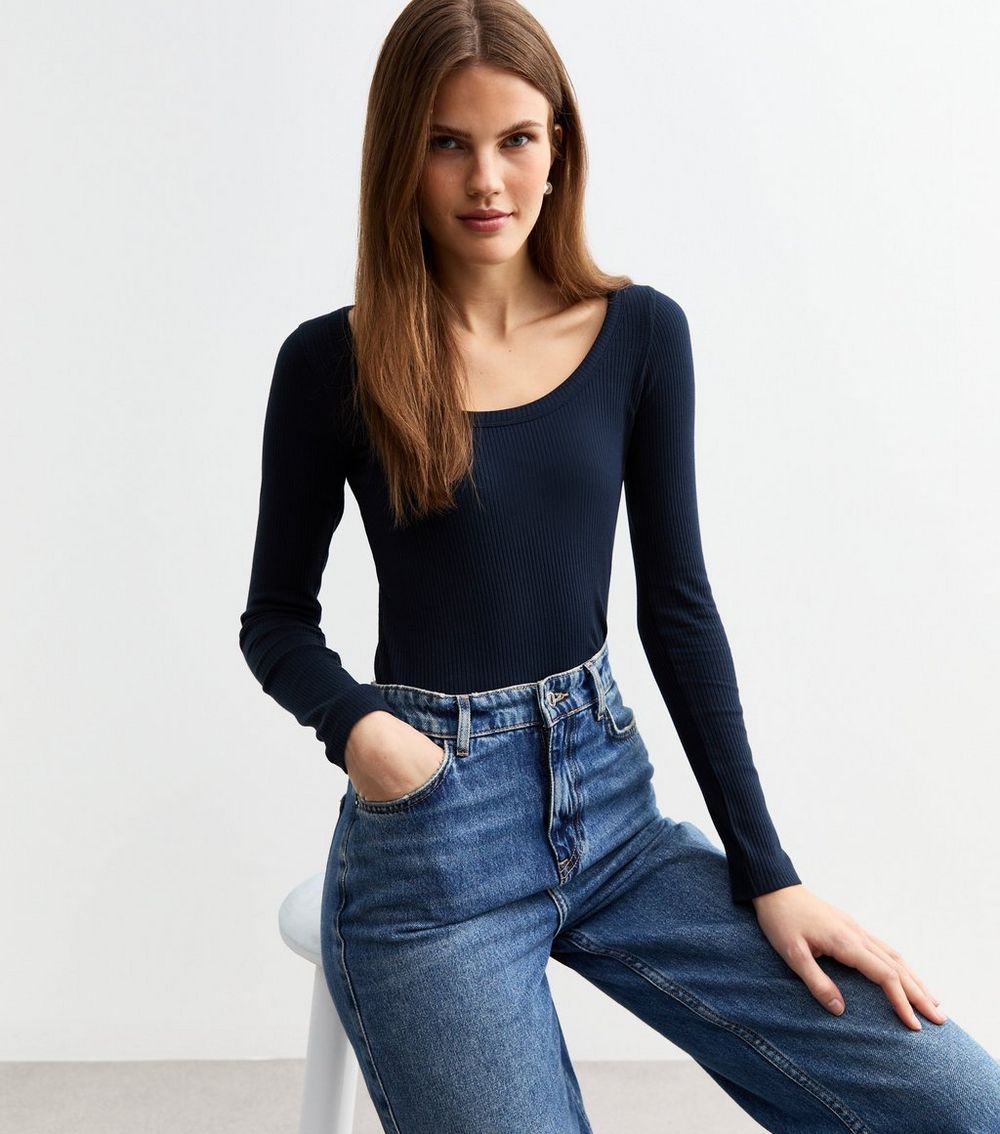
Start with the outfits that are worn most often
Frequent outfits reveal the real foundation. If straight-leg trousers, simple tops and trainers appear several times each week, those categories deserve more attention than a dramatic dress worn once. New Look offers everyday separates alongside trend-led pieces, so a buyer can build around repeat wear and then add interest selectively. Fit should be checked in movement rather than only in a mirror. A jacket needs enough room through the shoulders, trousers need to remain comfortable when sitting and a dress should work with the shoes and outer layer it is likely to be paired with.
Choose silhouettes that can change with styling
Silhouette can create variety without requiring completely different wardrobes. A relaxed shirt can sit open over a vest, tuck into tailored trousers or work with denim. A simple midi dress can change with boots, trainers, a blazer or knitwear. New Look provides enough variety to support those combinations, but versatility depends on the buyer choosing pieces that share proportions. Hem lengths, rise and jacket length influence whether items layer naturally. Trying a new piece with two or three existing favourites is therefore more useful than judging it as a standalone outfit.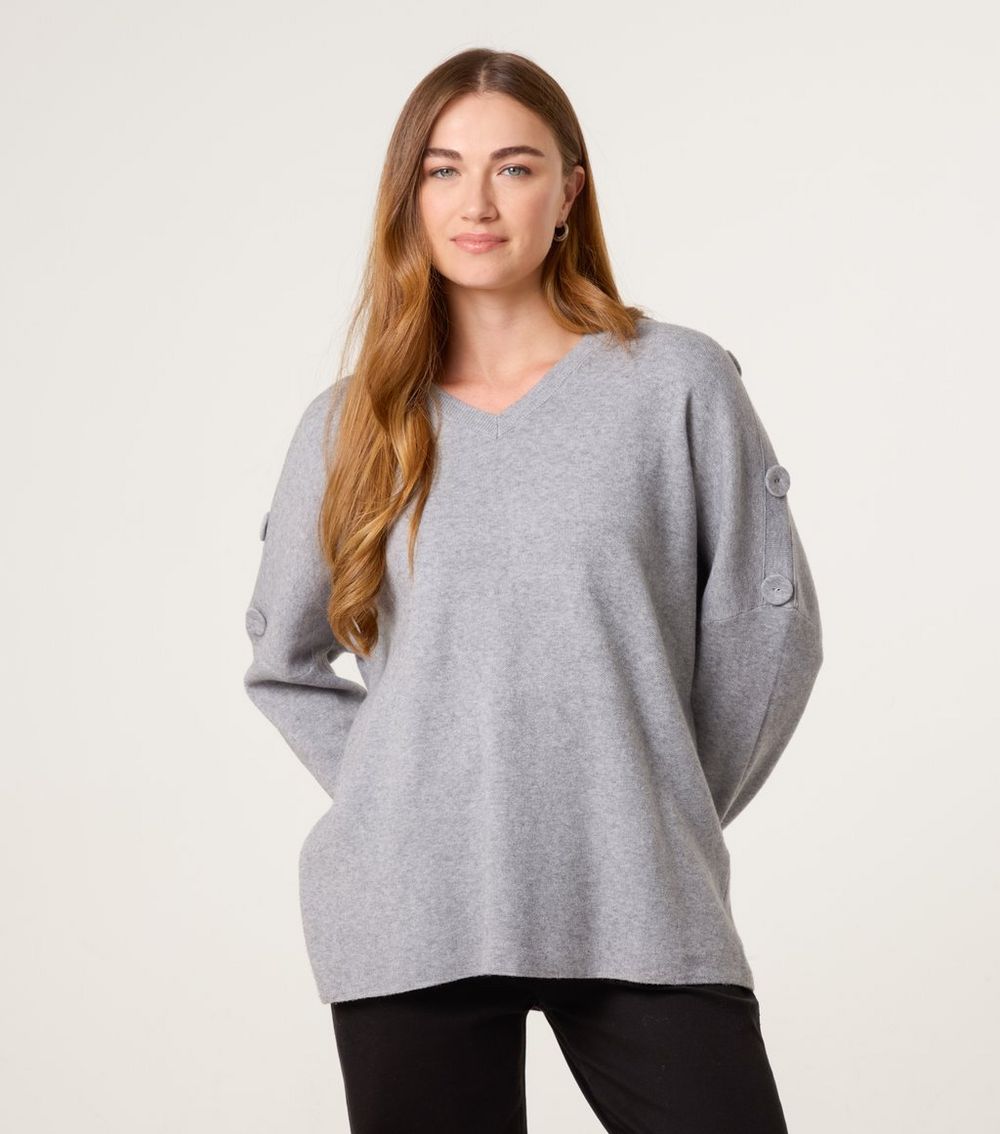
Use colour to increase outfit combinations
Colour is one of the easiest ways to increase the number of workable combinations. A wardrobe does not need to be neutral, but some relationship between colours helps. A practical review can look for
– two or three base colours that already appear across trousers, skirts and outerwear
– accent shades that work with more than one base rather than a single specific outfit
– prints that connect to colours already owned so matching remains easy
– footwear and bags that support several outfit groups instead of one narrow look
New Look can supply seasonal colour and trend pieces, but the wardrobe becomes more flexible when new shades connect back to clothes already in regular rotation.
Review gaps before adding more clothes
Before shopping, a short wardrobe review can separate real gaps from simple novelty. Clothes that no longer fit, damaged basics and missing layers often explain why existing outfits feel limited. New Look is most useful when a purchase solves one of those problems instead of duplicating a category that is already crowded. A new item should ideally create several complete outfits without requiring another immediate purchase. That does not remove creativity from fashion. It gives it a stronger base. When everyday pieces fit well and combine easily, occasional trends can be added with less risk because the wardrobe still functions after the trend has moved on.
Wardrobe versatility also depends on seasonal transitions. Lightweight dresses can sometimes remain useful with knitwear and boots, while shirts can move under jackets as temperatures fall. The most effective transitional pieces have enough room for layering without losing their shape when worn alone. Fabric weight matters here. Very thin materials can cling under knitwear, while bulky details may make a garment difficult to layer. A buyer can test this in the changing room by adding a jacket or cardigan similar to one already owned. That small experiment is more informative than imagining combinations later at home, especially when return trips are inconvenient.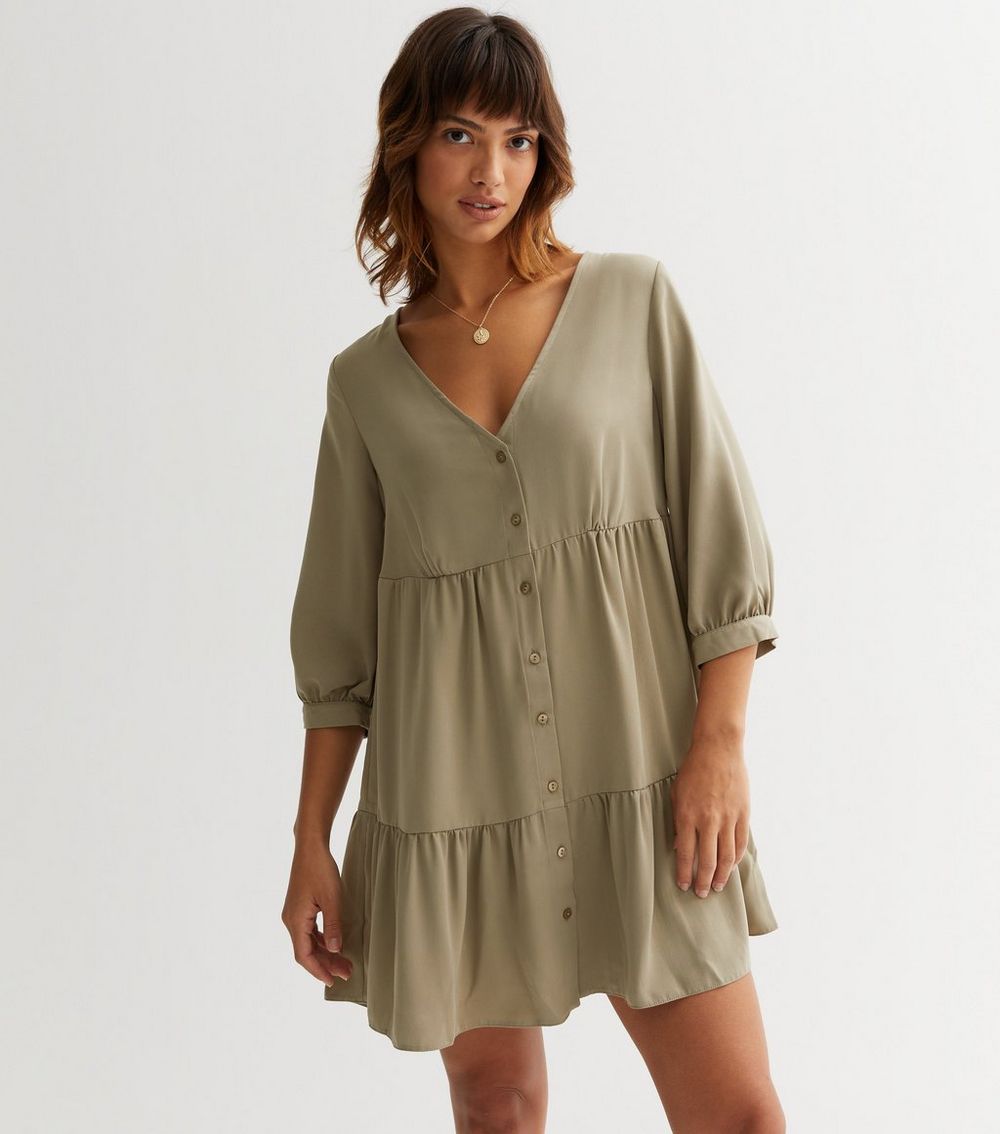
A regular edit can keep the wardrobe accurate. Items that have not been worn should be examined rather than automatically discarded. Sometimes the problem is a missing shoe, a hem that needs alteration or a styling combination that has not been tried. In other cases the fit or colour simply no longer works. Understanding the reason helps future shopping. Photographs of successful outfits can also become a useful reference on rushed mornings and can reveal which garments repeatedly earn their place. Over time, the wardrobe becomes easier to manage because purchases are guided by evidence from real wear rather than by the expectation that every new piece will somehow create a new style identity.
Care and minor repairs can stretch versatility further. Replacing a button, removing pilling or adjusting a hem may return an overlooked garment to regular use. Shoes and outerwear should be part of the same review because they often determine whether an outfit feels complete. When a buyer understands those supporting gaps, shopping becomes more focused and fewer new clothes are needed to create genuinely different combinations. Small changes in routine can be reflected without rebuilding the wardrobe, which keeps the system useful as work, travel and social plans evolve.