Everyday dressing becomes easier when the wardrobe has a reliable structure. A few categories handle most regular needs, such as comfortable trousers, useful knitwear, simple shirts, dresses and outer layers. Marks & Spencer spans clothing, footwear and accessories across these categories, so the range can support a practical wardrobe rather than only one-off outfits. Flexibility comes from choosing pieces that work with more than one combination and more than one part of the day. A garment that moves from commuting to work and then into an informal evening generally earns more wear than something that needs a very specific setting.
Build around reliable wardrobe categories
Reliable categories do not have to look identical. The goal is to understand which shapes make dressing easiest. Someone who regularly wears wide-leg trousers may benefit from tops that tuck cleanly or finish at a useful point on the waist. Someone who relies on dresses may need cardigans, jackets and footwear that work with several lengths. Marks & Spencer provides both basics and more detailed pieces, but the buyer still benefits from identifying the silhouettes that are repeatedly successful. This reduces the chance of adding attractive clothes that sit unused because they do not work with anything already owned.
Use fabric and fit to support repeat wear
Fabric affects how often an item feels practical. Breathability, warmth, stretch and care requirements can matter as much as colour. Marks & Spencer sells garments across a wide range of materials, so labels should be read with the intended routine in mind. A delicate piece may be suitable for occasional wear but less convenient for weekly use if specialist cleaning is required. Knitwear that pills easily or trousers that crease heavily can also change how often a garment is chosen. Repeat wear tends to favour clothes that look good after normal washing and are comfortable across several hours of movement and sitting.
Plan layers before the weather changes
Layering deserves to be planned as a system. Buying a winter coat without checking how it fits over knitwear can create frustration, while a jacket that only works over very thin tops has limited use. A practical layering review can include
– enough room in outerwear for the thickest layer it is expected to cover
– sleeve lengths that sit comfortably together rather than bunching at the wrist
– necklines that work with scarves, collars or visible base layers
– colours that allow outerwear to serve several outfits through the week
Marks & Spencer can provide each layer, but coordination between them is what creates real flexibility.
Buy replacements with a clear reason
Replacement shopping is often more useful than vague wardrobe expansion. A worn pair of trousers, tired shoes or a missing midweight jacket creates a specific need that can be solved directly. Marks & Spencer makes it easy to compare within broad categories, but the buyer should still decide why a new item is being added. If it replaces something, the successful features of the old garment can guide fit and colour. If it fills a gap, the buyer can list the outfits it should complete. That simple discipline reduces duplication and supports a wardrobe that stays functional even as individual pieces are updated over time.
Fit consistency can be improved by recording what works. Garment labels, product codes and basic measurements from favourite pieces can provide a reference when replacing trousers, shirts or knitwear. A tape measure across waist, rise, inseam and jacket width often gives more useful information than relying on a size number alone because sizing can vary between cuts. The reference does not remove the need to try clothing on, but it narrows the search. It also helps with online shopping when several similar styles appear. A buyer can compare garment descriptions with known preferences instead of starting from zero each time a staple wears out.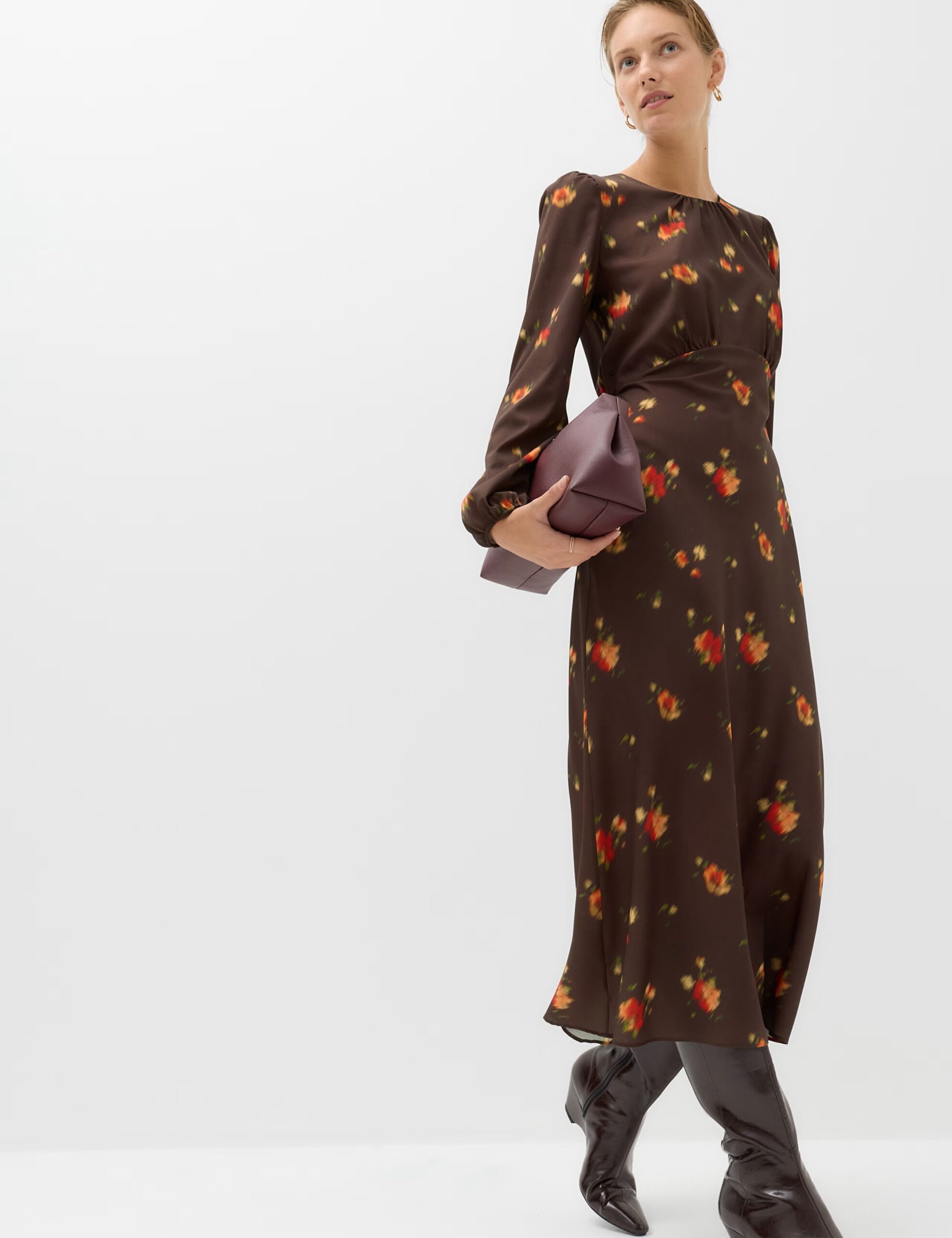
Footwear should be included in wardrobe planning because trouser and dress proportions often depend on it. A hem that works with flat shoes may feel different with a thicker sole, while wide trousers can require more length than a tapered shape. Everyday shoes also carry substantial wear, so comfort, repair and weather suitability deserve attention. When clothing and footwear are planned together, fewer garments become tied to one narrow styling option. The same applies to bags and belts. Neutral accessories do not need to be plain, but they should support several outfit groups if flexibility is the priority. This creates a wardrobe where small changes can shift the mood without requiring an entirely new set of clothes.
The wardrobe can also be organised by complete outfit potential rather than strict garment type. Keeping frequently combined pieces close together makes repeat dressing faster and exposes items that rarely connect with anything else. Those isolated pieces can then be altered, restyled or removed. A practical wardrobe improves through this kind of observation, with replacements selected because they strengthen existing combinations instead of merely increasing the number of items available. That discipline also makes seasonal transitions less disruptive and easier to organise.